
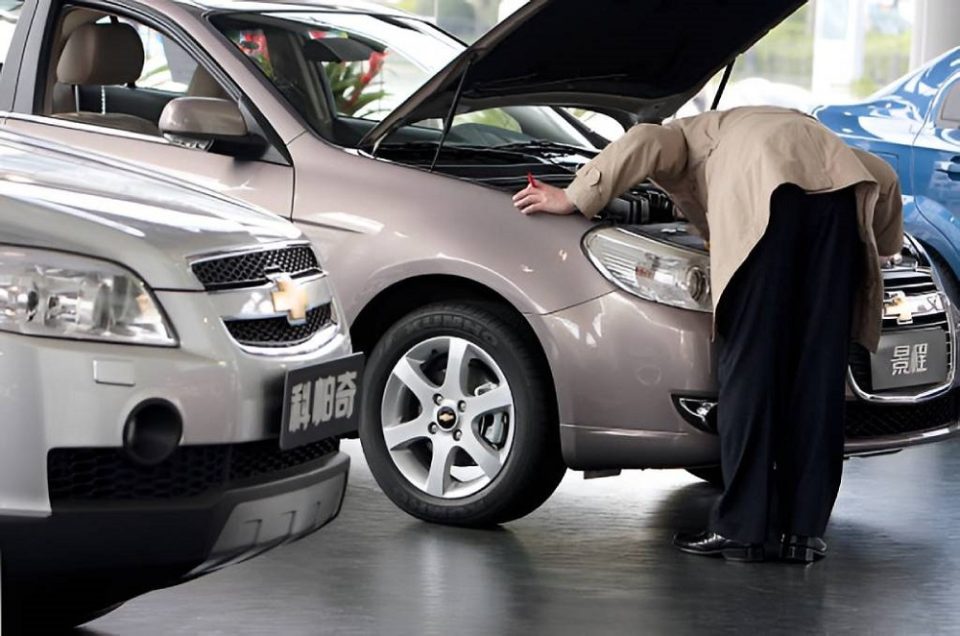
Introduction
Buying a used car can be a smart financial decision, but it also requires careful evaluation before completing the purchase. Unlike new vehicles, used cars may have hidden problems, previous accident damage, mechanical wear, or incomplete maintenance histories that affect long term reliability and ownership costs. Taking the time to inspect the vehicle properly helps buyers avoid expensive mistakes and improves confidence during the purchasing process.
The used car market offers many opportunities for buyers seeking affordable transportation, but not every vehicle provides the same level of quality or dependability. Some vehicles may appear attractive on the surface while hiding serious mechanical or structural issues underneath. Careful inspection and research are essential before making a final decision.
Modern buyers have access to more tools and information than ever before, including vehicle history reports, professional inspections, online pricing data, and digital maintenance records. These resources help consumers make more informed purchasing choices and reduce the risks associated with used vehicle ownership.
Understanding what to check before finalizing a used car purchase can help buyers protect their investment, reduce repair costs, and find safer and more reliable transportation.
Why Proper Inspection Matters
A used vehicle may have experienced years of wear, repairs, and environmental exposure before being offered for sale.
Thorough inspections help buyers identify:
- Mechanical problems
- Accident damage
- Poor maintenance history
- Rust or corrosion
- Electrical issues
- Tire and suspension wear
Careful evaluation reduces the likelihood of unexpected repairs and ownership problems.
Check the Vehicle History Report
Accident History
Vehicle history reports can reveal whether the car has been involved in previous accidents.
Major accident damage may affect:
- Structural integrity
- Alignment
- Safety systems
- Resale value
Vehicles with severe accident history may require additional inspection before purchase.
Title Status
Buyers should confirm the vehicle has a clean title.
Warning signs may include:
- Salvage titles
- Flood damage records
- Theft recovery history
Problematic title histories can reduce vehicle reliability and future resale value.
Ownership History
Ownership records help buyers understand how the vehicle was previously used.
Multiple short term owners may indicate recurring problems or poor reliability.
Mileage Verification
Vehicle history reports can help confirm mileage accuracy and identify possible odometer inconsistencies.
Accurate mileage is important for evaluating wear and future maintenance needs.
Inspect the Exterior Carefully
Look for Paint Inconsistencies
Uneven paint color or texture may indicate previous body repairs or accident damage.
Buyers should inspect:
- Door panels
- Hood alignment
- Bumpers
- Fenders
Poor body repairs may affect long term durability and resale value.
Check for Rust and Corrosion
Rust can weaken structural components and increase future repair costs.
Important areas to inspect include:
- Wheel wells
- Undercarriage
- Door edges
- Trunk areas
Severe corrosion may indicate long term environmental exposure or poor maintenance.
Examine Windows and Lights
Damaged windows or malfunctioning lights may affect safety and visibility.
Buyers should inspect:
- Headlights
- Brake lights
- Turn signals
- Windshield condition
Cracks and moisture buildup may require replacement.
Inspect Tire Condition
Tire condition provides important clues about vehicle maintenance and alignment.
Check for:
- Uneven tread wear
- Cracks
- Low tread depth
- Tire age
Uneven wear may indicate suspension or alignment problems.
Evaluate the Interior Condition
Check Seat and Upholstery Wear
Excessive interior wear may indicate heavy use or poor care.
Inspect:
- Seats
- Carpets
- Dashboard surfaces
- Headliners
Interior condition often reflects overall ownership habits.
Test Interior Electronics
Modern vehicles rely heavily on electronic systems.
Buyers should test:
- Power windows
- Door locks
- Infotainment systems
- Air conditioning
- Heating systems
- Navigation systems
Electrical repairs can become expensive if problems are ignored.
Look for Water Damage Signs
Flood damaged vehicles may develop long term electrical and structural issues.
Warning signs include:
- Mold odors
- Damp carpets
- Rust under seats
- Water stains
Flood damage can severely reduce vehicle reliability.
Check Under the Hood
Inspect Engine Condition
The engine is one of the most expensive systems to repair or replace.
Look for signs such as:
- Oil leaks
- Corrosion
- Cracked hoses
- Dirty engine components
A clean but not overly detailed engine bay may indicate responsible maintenance.
Check Fluid Levels and Quality
Vehicle fluids reveal important information about maintenance condition.
Inspect:
- Engine oil
- Transmission fluid
- Coolant
- Brake fluid
Dirty or low fluids may suggest neglect.
Examine Battery Condition
Battery problems can cause starting issues and electrical failures.
Check for:
- Corrosion on terminals
- Battery age
- Secure mounting
Battery replacement costs should be considered during price negotiations.
Inspect Belts and Hoses
Worn belts and hoses may fail unexpectedly and lead to mechanical damage.
Look for:
- Cracks
- Fraying
- Leaks
- Dry rubber surfaces
Preventive replacement may be necessary for older vehicles.
Test Drive the Vehicle
Listen for Unusual Noises
During the test drive, buyers should listen carefully for:
- Engine knocking
- Brake squealing
- Suspension clunks
- Transmission noises
Strange sounds often indicate developing mechanical problems.
Evaluate Steering and Handling
The vehicle should steer smoothly and remain stable during driving.
Watch for:
- Pulling to one side
- Steering vibrations
- Loose handling
- Excessive body movement
Handling problems may indicate alignment or suspension issues.
Test Brake Performance
Brakes should feel responsive and smooth.
Warning signs include:
- Grinding noises
- Vibrations
- Soft brake pedals
- Delayed stopping response
Brake repairs may become costly if ignored.
Monitor Dashboard Warning Lights
Dashboard warning lights may indicate mechanical or electrical problems.
Buyers should confirm that:
- Warning lights function normally
- No active engine or system alerts remain
Ignoring warning lights may lead to future repairs.
Check Vehicle Maintenance Records
Maintenance history is one of the strongest indicators of long term vehicle reliability.
Important records may include:
- Oil changes
- Brake service
- Tire replacement
- Timing belt replacement
- Fluid maintenance
Consistent maintenance suggests responsible ownership.
Verify Vehicle Identification Numbers
The vehicle identification number should match across:
- Dashboard plates
- Door labels
- Registration documents
- Vehicle history reports
Mismatched identification numbers may indicate theft or title fraud.
Have the Vehicle Professionally Inspected
Independent inspections by qualified mechanics provide additional protection for buyers.
Professional inspections may identify:
- Hidden mechanical issues
- Frame damage
- Engine problems
- Suspension wear
- Transmission concerns
Professional evaluations often save buyers from expensive future repairs.
Research Market Value
Buyers should compare vehicle pricing with similar models in the market.
Factors affecting value include:
- Mileage
- Condition
- Trim level
- Maintenance history
- Location
Market research helps buyers negotiate fair pricing.
Understand Warranty Coverage
Some used vehicles may still include:
- Manufacturer warranties
- Certified pre owned coverage
- Extended protection plans
Warranty coverage can reduce repair expenses and improve ownership confidence.
Check Registration and Legal Documents
Before finalizing the purchase, buyers should verify:
- Vehicle registration
- Title transfer paperwork
- Emissions compliance
- Inspection certificates
Proper documentation prevents future legal and ownership issues.
Common Mistakes Buyers Should Avoid
Many used car problems result from rushed purchasing decisions.
Common mistakes include:
- Skipping inspections
- Ignoring maintenance history
- Failing to test drive
- Overlooking rust damage
- Ignoring warning lights
- Not comparing market prices
Careful preparation helps buyers avoid these costly errors.
Benefits of Buying a Well Maintained Used Car
A properly maintained used vehicle can provide:
- Lower purchase costs
- Reliable transportation
- Lower insurance expenses
- Reduced depreciation
Many modern vehicles remain dependable for years with proper care and maintenance.
Technology and Modern Used Cars
Modern used vehicles may include advanced systems such as:
- Driver assistance features
- Infotainment systems
- Backup cameras
- Collision warning systems
Buyers should ensure these technologies function correctly before purchasing.
Future Trends in the Used Car Market
Several trends are changing the used vehicle industry.
Online Vehicle Shopping
More buyers now research and purchase used vehicles online.
Digital Vehicle History Reports
Improved digital records help buyers verify maintenance and ownership information more easily.
Electric Vehicle Resale Growth
The used electric vehicle market continues expanding as electric vehicle ownership increases.
Advanced Vehicle Diagnostics
Modern diagnostic tools allow more accurate vehicle condition evaluations before purchase.
Conclusion
Finalizing a used car purchase requires careful inspection, research, and patience. Buyers who take time to review vehicle history, inspect mechanical systems, test drive the vehicle, and verify documentation are more likely to avoid costly problems and find dependable transportation.
Important areas to evaluate include engine condition, tire wear, brakes, suspension systems, maintenance records, and title history. Professional inspections and market research provide additional protection during the buying process.
Used vehicles can offer excellent value, lower ownership costs, and long term reliability when chosen carefully. Drivers who approach the purchasing process with preparation and attention to detail can make smarter decisions and enjoy safer, more reliable vehicle ownership.
Frequently Asked Questions
1. Why is a vehicle history report important when buying a used car
Vehicle history reports help identify accidents, title issues, ownership history, and mileage accuracy before purchase.
2. What are common signs of accident damage on a used car
Signs may include uneven paint, poor panel alignment, welding marks, and unusual gaps between body panels.
3. Why should buyers inspect tire condition carefully
Tire wear can reveal alignment problems, suspension issues, and maintenance quality.
4. Is a professional inspection necessary before buying a used car
Yes. Professional inspections help identify hidden mechanical and structural problems that buyers may overlook.
5. What should buyers check during a test drive
Drivers should evaluate steering, braking, acceleration, transmission performance, suspension comfort, and unusual noises.
6. Why are maintenance records important for used vehicles
Maintenance records indicate how well the previous owner cared for the vehicle and whether important services were completed regularly.
7. How can buyers avoid overpaying for a used car
Researching market prices, comparing similar vehicles, and reviewing condition and mileage help buyers negotiate fair pricing.
