
Introduction
Fuel efficiency has become one of the most important priorities in the modern automotive industry. Rising fuel costs, environmental concerns, and stricter emissions standards have encouraged manufacturers to develop vehicles that consume less fuel while maintaining strong performance. One of the most effective ways to improve fuel economy naturally is through better car aerodynamics.
Aerodynamics refers to how air flows around a moving vehicle. When a car travels at higher speeds, air resistance creates drag that forces the engine to work harder. The more resistance a vehicle encounters, the more fuel it consumes. By improving aerodynamic design, automakers reduce drag and allow vehicles to move more efficiently through the air.
Modern car aerodynamics involve much more than sleek styling. Engineers carefully design every part of the vehicle, including the body shape, undercarriage, mirrors, tires, and airflow systems, to improve efficiency and stability. Better aerodynamics not only reduce fuel consumption but also improve driving comfort, handling, and high speed performance.
As electric vehicles and hybrid technologies continue growing, aerodynamic efficiency has become even more important. Understanding how aerodynamics affect fuel economy helps drivers appreciate the engineering behind modern vehicle design and make smarter driving choices.
What Is Car Aerodynamics
Car aerodynamics is the study of how air interacts with a vehicle while it moves. Automotive engineers use aerodynamic principles to reduce air resistance, improve stability, and enhance fuel efficiency.
When a vehicle moves forward, it pushes against surrounding air. This creates aerodynamic drag, which slows the vehicle and increases the energy needed to maintain speed.
Aerodynamic design focuses on:
- Reducing drag
- Managing airflow
- Improving vehicle stability
- Increasing fuel efficiency
- Enhancing overall performance
Vehicles with better aerodynamic efficiency require less power to move at the same speed compared to less streamlined designs.
Understanding Aerodynamic Drag
Aerodynamic drag is the resistance a vehicle experiences while moving through the air.
Several factors influence drag, including:
- Vehicle shape
- Frontal surface area
- Speed
- Airflow patterns
- Vehicle height
At lower speeds, aerodynamic drag has a smaller effect. However, at highway speeds, drag becomes one of the largest factors affecting fuel consumption.
Reducing drag allows the engine to operate more efficiently and consume less fuel.
How Aerodynamics Improve Fuel Efficiency
Reduced Air Resistance
The primary way aerodynamics improve fuel efficiency is by reducing air resistance.
A streamlined vehicle moves more smoothly through the air, allowing the engine to use less energy to maintain speed.
Reduced drag helps:
- Lower fuel consumption
- Improve highway mileage
- Reduce engine workload
- Increase driving efficiency
Fuel savings become especially noticeable during long distance highway driving.
Lower Engine Strain
Poor aerodynamic performance forces the engine to work harder to overcome resistance.
Better airflow reduces mechanical stress on:
- The engine
- Transmission
- Drivetrain systems
Lower engine strain contributes to better long term reliability and improved fuel economy.
Improved Vehicle Momentum
Aerodynamic vehicles maintain momentum more efficiently because they encounter less resistance.
This helps vehicles:
- Accelerate more smoothly
- Maintain speed with less power
- Improve coasting efficiency
Efficient momentum management naturally reduces fuel usage.
Better Efficiency for Electric Vehicles
Aerodynamics are especially important for electric vehicles because battery range depends heavily on energy efficiency.
Reduced aerodynamic drag helps electric vehicles:
- Extend driving range
- Reduce battery consumption
- Improve charging efficiency
Modern electric vehicle manufacturers invest heavily in aerodynamic engineering for this reason.
Key Aerodynamic Features in Modern Cars
Streamlined Body Shape
Modern vehicles often feature smooth and curved body designs to reduce drag.
Aerodynamic body features include:
- Rounded front ends
- Sloped windshields
- Smooth rooflines
- Tapered rear sections
These shapes help air flow more efficiently around the vehicle.
Active Grille Shutters
Some modern vehicles use active grille shutters that automatically open and close based on cooling needs.
When cooling is unnecessary, shutters close to improve airflow and reduce drag.
This technology improves both fuel efficiency and engine temperature management.
Underbody Panels
The underside of a vehicle can create significant turbulence and drag.
Manufacturers use smooth underbody panels to:
- Improve airflow beneath the car
- Reduce turbulence
- Enhance stability
Flat underbody designs are common in electric and hybrid vehicles.
Aerodynamic Side Mirrors
Traditional side mirrors create drag because they interrupt airflow.
Modern vehicles may use:
- Smaller mirrors
- Streamlined mirror shapes
- Camera based mirror systems
These designs reduce resistance and improve efficiency.
Rear Spoilers and Diffusers
Spoilers and diffusers help control airflow around the rear of the vehicle.
Benefits include:
- Reduced drag
- Improved high speed stability
- Better airflow management
Proper aerodynamic balance improves both efficiency and safety.
Tire and Wheel Aerodynamics
Wheels and tires also affect airflow and drag.
Manufacturers design aerodynamic wheels to:
- Reduce air turbulence
- Improve efficiency
- Lower rolling resistance
Some electric vehicles use partially covered wheel designs for additional aerodynamic improvement.
Importance of Aerodynamics at Highway Speeds
Aerodynamics become increasingly important as speed increases.
At highway speeds:
- Drag increases significantly
- Fuel consumption rises
- Engine workload becomes greater
A vehicle with poor aerodynamics may consume substantially more fuel at higher speeds compared to a streamlined design.
Drivers who frequently travel on highways benefit greatly from aerodynamic efficiency.
Aerodynamics and Vehicle Stability
Aerodynamics influence more than fuel economy. Proper airflow management also improves vehicle stability and handling.
Benefits include:
- Better cornering stability
- Reduced wind sensitivity
- Improved steering control
- Smoother driving experience
Vehicles designed with balanced aerodynamics often feel more stable during high speed travel and strong crosswinds.
The Relationship Between Weight and Aerodynamics
Vehicle weight and aerodynamics both influence fuel efficiency.
While lighter vehicles require less energy to move, poor aerodynamics can still reduce efficiency significantly.
Modern manufacturers balance:
- Lightweight construction
- Aerodynamic design
- Structural safety
- Performance requirements
Combining lightweight materials with efficient airflow design produces better overall fuel economy.
How Drivers Can Improve Vehicle Aerodynamics
Drivers can improve aerodynamic efficiency through simple habits and maintenance practices.
Remove Roof Cargo When Not Needed
Roof racks and cargo carriers increase drag significantly.
Removing unnecessary roof accessories helps:
- Improve airflow
- Increase fuel economy
- Reduce wind noise
Even empty roof racks may reduce efficiency during highway driving.
Keep Windows Closed at High Speeds
Open windows disrupt airflow and increase drag.
At highway speeds, keeping windows closed usually improves fuel efficiency more effectively than driving with windows open.
Maintain Proper Tire Pressure
Underinflated tires increase rolling resistance and reduce efficiency.
Correct tire pressure supports:
- Better fuel economy
- Improved stability
- Reduced tire wear
Avoid Excessive Vehicle Weight
Carrying unnecessary cargo increases the energy required for movement.
Reducing excess weight helps vehicles operate more efficiently.
Electric Vehicles and Aerodynamic Innovation
Electric vehicles have accelerated advancements in aerodynamic engineering.
Manufacturers focus heavily on:
- Ultra smooth body shapes
- Hidden door handles
- Flat underbody designs
- Reduced cooling openings
Because electric vehicles rely entirely on battery power, even small aerodynamic improvements can significantly affect driving range.
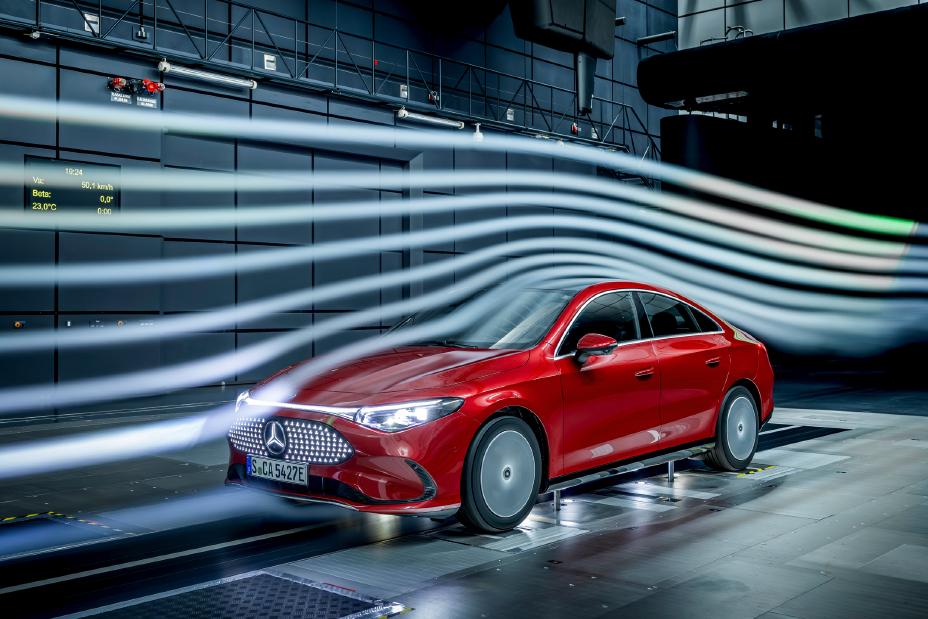
Wind Tunnel Testing in Automotive Design
Automotive engineers use wind tunnels to study airflow around vehicles.
Wind tunnel testing helps identify:
- Areas of turbulence
- Drag producing surfaces
- Stability concerns
- Cooling airflow needs
This testing allows engineers to refine vehicle shapes for maximum efficiency.
Aerodynamics and Environmental Sustainability
Improved aerodynamic efficiency supports environmental sustainability by reducing fuel consumption and emissions.
Benefits include:
- Lower carbon emissions
- Reduced fuel demand
- Improved energy efficiency
- Better support for electric mobility
Aerodynamic advancements help manufacturers meet stricter environmental regulations worldwide.
Common Misconceptions About Car Aerodynamics
Larger Vehicles Cannot Be Aerodynamic
While larger vehicles naturally create more drag, modern engineering allows even trucks and SUVs to achieve impressive aerodynamic performance.
Spoilers Always Improve Fuel Economy
Not all spoilers improve efficiency. Some are designed primarily for performance and stability rather than reducing drag.
Aerodynamics Only Matter for Sports Cars
Aerodynamics affect all vehicles, including family sedans, trucks, SUVs, and electric vehicles.
Every vehicle benefits from improved airflow efficiency.
Future Trends in Automotive Aerodynamics
Several innovations are shaping the future of aerodynamic vehicle design.
Active Aerodynamic Systems
Vehicles increasingly use movable components that adjust airflow dynamically based on speed and driving conditions.
Camera Based Mirrors
Digital mirror systems reduce drag more effectively than traditional mirrors.
Advanced Lightweight Materials
Manufacturers continue developing materials that support both lightweight construction and aerodynamic efficiency.
Fully Enclosed Wheel Designs
Electric vehicle manufacturers are exploring enclosed wheel systems to reduce turbulence further.
Artificial Intelligence Assisted Design
AI technology helps engineers analyze airflow patterns and improve aerodynamic performance more efficiently.
Conclusion
Car aerodynamics play a major role in improving fuel efficiency, reducing emissions, and enhancing overall driving performance. By reducing air resistance and optimizing airflow, modern vehicles require less energy to operate, especially at highway speeds.
Aerodynamic design affects many aspects of vehicle operation, including fuel economy, stability, comfort, and environmental impact. Features such as streamlined body shapes, smooth underbody panels, aerodynamic wheels, and active airflow systems help modern vehicles achieve greater efficiency naturally.
As the automotive industry continues evolving toward electric mobility and sustainability, aerodynamic innovation will remain one of the most important areas of vehicle engineering. Drivers who understand the value of aerodynamic efficiency can make better decisions regarding vehicle maintenance, driving habits, and future vehicle purchases.
Frequently Asked Questions
1. What is car aerodynamics
Car aerodynamics refers to how air flows around a vehicle and how engineers design vehicles to reduce air resistance and improve efficiency.
2. How does aerodynamic drag affect fuel economy
Higher aerodynamic drag forces the engine to work harder, increasing fuel consumption and reducing efficiency.
3. Why are electric vehicles highly aerodynamic
Electric vehicles rely on battery efficiency, so reducing aerodynamic drag helps extend driving range and improve performance.
4. Do roof racks reduce fuel efficiency
Yes. Roof racks and cargo carriers increase air resistance, especially at highway speeds, which can reduce fuel economy.
5. How do underbody panels improve aerodynamics
Underbody panels reduce airflow turbulence beneath the vehicle, improving efficiency and stability.
6. Why are modern cars designed with curved shapes
Curved and streamlined shapes help air move more smoothly around the vehicle, reducing drag and improving fuel efficiency.
7. Can driving habits affect aerodynamic efficiency
Yes. High speeds, open windows, and carrying roof cargo can increase drag and reduce fuel economy.
