
Introduction
Modern vehicles rely on thousands of individual components working together to ensure safe, reliable, and efficient transportation. These components, commonly known as auto parts, are essential for vehicle performance, comfort, fuel efficiency, and safety. As automotive technology continues evolving, auto parts have become more advanced, durable, and specialized than ever before.
From engine systems and braking components to electronic sensors and advanced driver assistance systems, modern auto parts play a major role in how vehicles operate. Vehicle owners who understand the basics of automotive components are often better prepared to maintain their cars, identify problems early, and make informed repair decisions.
The automotive industry has experienced significant transformation over the past decade. Innovations such as electric vehicles, smart technology, and digital diagnostics have changed the design and function of many vehicle parts. Understanding how these systems work can help drivers improve vehicle maintenance and extend the lifespan of their automobiles.
What Are Auto Parts
Auto parts are the individual mechanical, electrical, and structural components used to build and maintain vehicles. Every vehicle contains thousands of interconnected parts designed to support different systems and functions.
Auto parts are generally divided into categories such as:
- Engine components
- Brake systems
- Suspension systems
- Electrical systems
- Cooling systems
- Steering components
- Exhaust systems
- Transmission parts
Each category contributes to the overall performance and reliability of the vehicle.
Importance of Auto Parts in Vehicle Performance
Auto parts directly affect how safely and efficiently a vehicle operates. High quality components improve performance, reduce repair costs, and support long term reliability.
Well maintained auto parts help:
- Improve fuel efficiency
- Enhance driving comfort
- Increase vehicle safety
- Reduce breakdown risks
- Extend vehicle lifespan
Neglecting worn or damaged parts can lead to serious mechanical problems and expensive repairs.
Types of Modern Auto Parts
Original Equipment Manufacturer Parts
Original equipment manufacturer parts, commonly called OEM parts, are produced by the same manufacturer that created the original vehicle components.
These parts are designed specifically for the vehicle model and meet factory specifications.
Benefits of OEM Parts
- Exact fit and compatibility
- Reliable quality standards
- Manufacturer warranty support
- Consistent performance
Drawbacks of OEM Parts
- Higher pricing
- Limited supplier choices
Many vehicle owners choose OEM parts for reliability and peace of mind.
Aftermarket Auto Parts
Aftermarket parts are manufactured by third party companies rather than the original vehicle manufacturer.
These parts are widely available and often provide cost effective alternatives.
Advantages of Aftermarket Parts
- Lower costs
- Wider product selection
- Availability of performance upgrades
- Competitive pricing
Disadvantages of Aftermarket Parts
- Quality variations
- Possible compatibility issues
- Differences in durability
Choosing reputable aftermarket brands is important to ensure safety and reliability.
Essential Modern Auto Parts and Their Functions
Engine Components
The engine is the heart of the vehicle and contains numerous important parts that generate power.
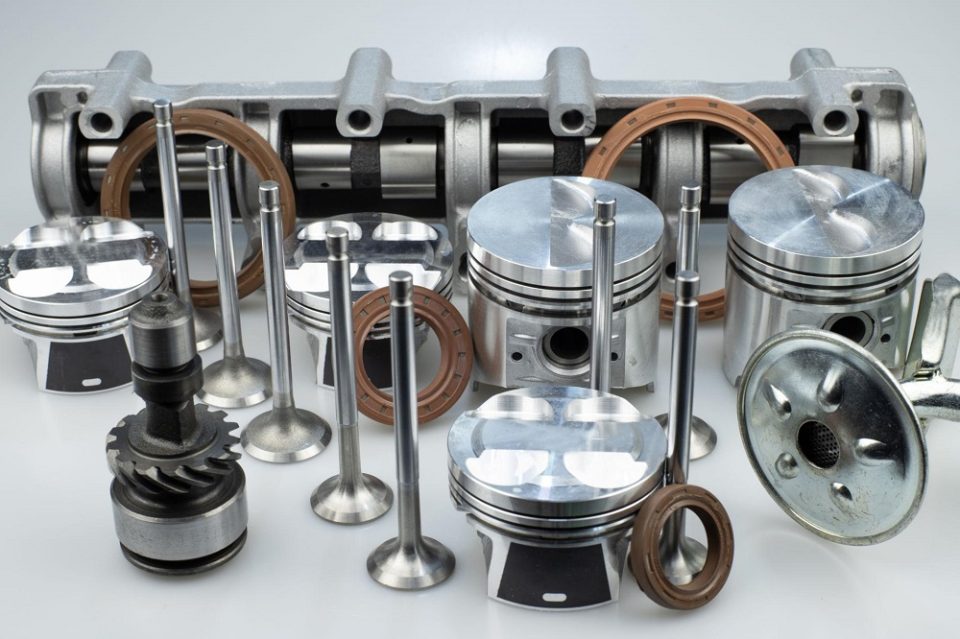
Pistons
Pistons move inside engine cylinders to create combustion energy.
Spark Plugs
Spark plugs ignite the fuel and air mixture in gasoline engines.
Timing Chains and Belts
Timing components synchronize engine operations to maintain proper performance.
Fuel Injectors
Fuel injectors deliver fuel into the combustion chamber with precision.
Turbochargers
Turbochargers improve engine power and fuel efficiency by increasing airflow into the engine.
Modern engines depend heavily on advanced technology to improve performance and emissions control.
Brake System Components
Brakes are among the most important safety systems in any vehicle.
Brake Pads
Brake pads create friction to slow the vehicle.
Brake Rotors
Rotors work with brake pads to stop wheel movement.
Brake Calipers
Calipers apply pressure to the brake pads during braking.
Anti Lock Braking Systems
Modern anti lock braking systems improve vehicle control during emergency braking situations.
Routine brake maintenance is essential for driver and passenger safety.
Suspension System Parts
The suspension system improves ride comfort, stability, and vehicle handling.
Shock Absorbers
Shock absorbers reduce road vibrations and improve ride quality.
Struts
Struts provide structural support and suspension control.
Control Arms
Control arms connect suspension components to the vehicle frame.
Ball Joints
Ball joints allow wheels to move smoothly during steering and suspension movement.
A properly functioning suspension system improves comfort and tire longevity.
Transmission Components
The transmission transfers engine power to the wheels.
Clutch Systems
Clutches manage power transfer in manual transmission vehicles.
Torque Converters
Torque converters transfer power in automatic transmissions.
Gear Assemblies
Transmission gears adjust vehicle speed and engine performance.
Modern transmissions often use advanced electronics for smoother shifting and better fuel efficiency.
Electrical and Electronic Components
Modern vehicles rely heavily on electrical systems and digital technology.
Batteries
Vehicle batteries provide electrical power for starting and electronics.
Alternators
Alternators recharge the battery while the engine runs.
Sensors
Sensors monitor engine performance, fuel usage, emissions, and safety systems.
Electronic Control Units
Control units manage various vehicle systems through onboard computers.
Electronic systems have become increasingly important in modern automotive engineering.
Cooling System Components
Cooling systems regulate engine temperature and prevent overheating.
Radiators
Radiators remove excess heat from engine coolant.
Water Pumps
Water pumps circulate coolant throughout the engine.
Thermostats
Thermostats control coolant flow based on engine temperature.
Cooling Fans
Fans improve airflow through the radiator.
Overheating can cause severe engine damage, making cooling system maintenance essential.
Exhaust System Components
The exhaust system controls emissions and reduces engine noise.
Catalytic Converters
Catalytic converters reduce harmful emissions before gases exit the vehicle.
Mufflers
Mufflers reduce engine noise levels.
Exhaust Pipes
Exhaust pipes direct gases away from the engine and passengers.
Modern exhaust systems are designed to meet strict environmental regulations.
Advanced Auto Parts Technology
The automotive industry has introduced significant technological advancements in recent years.
Smart Sensors and Diagnostics
Modern vehicles use advanced sensors to monitor performance and identify mechanical issues.
Diagnostic systems can detect problems related to:
- Engine performance
- Tire pressure
- Emissions
- Brake systems
- Fuel efficiency
These technologies improve safety and simplify vehicle maintenance.
Electric Vehicle Components
Electric vehicles use specialized auto parts different from traditional gasoline powered vehicles.
Important electric vehicle components include:
- Battery packs
- Electric motors
- Charging systems
- Power control units
As electric vehicle adoption increases, demand for advanced electrical components continues growing.
Driver Assistance Systems
Modern vehicles increasingly use advanced driver assistance systems.
Examples include:
- Lane departure warnings
- Adaptive cruise control
- Collision avoidance systems
- Parking assistance sensors
These systems improve road safety and driving convenience.
Importance of Regular Auto Parts Maintenance
Routine maintenance helps prevent costly repairs and extends vehicle lifespan.
Important maintenance practices include:
- Changing engine oil regularly
- Inspecting brake systems
- Monitoring tire condition
- Replacing filters
- Checking battery health
- Inspecting suspension components
Preventive maintenance reduces the likelihood of unexpected breakdowns.
Signs That Auto Parts Need Replacement
Vehicle owners should recognize common signs of worn or damaged parts.
Warning signs may include:
- Unusual noises
- Poor fuel efficiency
- Vibrations while driving
- Warning lights on the dashboard
- Reduced braking performance
- Difficulty steering
- Engine overheating
Early diagnosis often prevents more serious mechanical damage.
How To Choose Quality Auto Parts
Selecting the right auto parts is important for vehicle safety and performance.
Consider the following when purchasing parts:
- Compatibility with the vehicle
- Manufacturer reputation
- Warranty coverage
- Material quality
- Customer reviews
- Professional recommendations
Reliable parts improve durability and reduce future repair costs.
Auto Parts and Environmental Sustainability
The automotive industry is increasingly focusing on environmentally friendly technologies and recycling practices.
Sustainability efforts include:
- Recycling used components
- Developing cleaner engine technologies
- Reducing emissions
- Improving fuel efficiency
- Expanding electric vehicle production
Modern auto parts manufacturing now emphasizes both performance and environmental responsibility.
Future Trends in Auto Parts
Several trends are shaping the future of automotive components.
Electric Vehicle Expansion
Electric vehicles are driving demand for advanced batteries and electronic systems.
Artificial Intelligence Integration
AI technology is improving vehicle diagnostics and automated driving systems.
Lightweight Materials
Manufacturers increasingly use lightweight materials to improve fuel efficiency.
Connected Vehicle Technology
Modern vehicles use internet connectivity for navigation, diagnostics, and remote monitoring.
Sustainable Manufacturing
Automotive companies continue investing in environmentally responsible production methods.
Conclusion
Modern auto parts are essential for vehicle performance, safety, efficiency, and reliability. As automotive technology evolves, vehicle systems have become more advanced and interconnected than ever before.
Understanding the purpose and importance of major vehicle components helps drivers maintain their vehicles properly and make informed repair decisions. Whether using OEM parts or quality aftermarket alternatives, proper maintenance and timely replacement are critical for long term vehicle performance.
The future of the automotive industry will continue introducing smarter, cleaner, and more efficient technologies. Vehicle owners who stay informed about modern auto parts and maintenance practices will be better prepared to protect their investments and ensure safer driving experiences.
Frequently Asked Questions
1. What are the most important auto parts in a vehicle
Important auto parts include engine components, brakes, suspension systems, transmission parts, batteries, and cooling systems because they directly affect safety and performance.
2. What is the difference between OEM and aftermarket auto parts
OEM parts are made by the original vehicle manufacturer, while aftermarket parts are produced by third party companies.
3. How often should auto parts be inspected
Vehicle inspections should follow manufacturer recommendations, but major systems such as brakes, tires, and fluids should be checked regularly.
4. Why are modern vehicles heavily dependent on sensors
Sensors help monitor vehicle performance, improve safety, reduce emissions, and support advanced driver assistance systems.
5. What are common signs of failing auto parts
Common signs include strange noises, dashboard warning lights, poor fuel economy, vibrations, overheating, and reduced braking performance.
6. How do electric vehicle parts differ from traditional car parts
Electric vehicles use battery systems, electric motors, and electronic control systems instead of traditional fuel engines and exhaust systems.
7. Why is preventive maintenance important for auto parts
Preventive maintenance helps identify problems early, reduces repair costs, improves vehicle reliability, and extends the lifespan of automotive components.
